
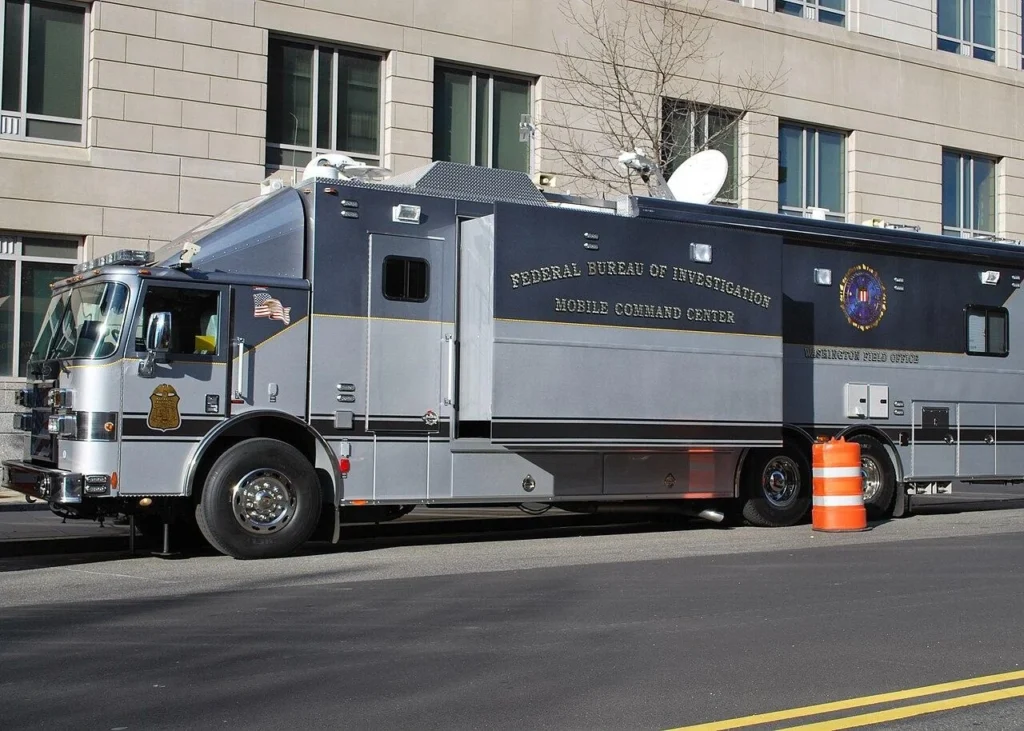
A mobile command center is not just a trailer with desks, screens, and communications equipment. It is a working nerve center designed to bring order into situations where time, visibility, coordination, and safety matter. Whether used by government agencies, emergency response teams, public safety departments, utilities, military support groups, or large-scale event operators, the value of a mobile command platform comes from how well it performs under pressure.
The strongest command environments begin with a simple idea: decisions become better when teams can see more, communicate faster, and operate from a space built around their mission. A trailer can become a planning room, dispatch point, data hub, field office, briefing space, and communications station at the same time. That level of function depends on careful fabrication, durable materials, efficient layout, power planning, technology integration, and interior design that supports real field work rather than showroom appearance alone.
Why Command Centers Need More Than Mobility
Mobility is important, but it is only the beginning. A command center must travel to the right location, then become operational quickly. It may be parked near a disaster site, public event, airport, military support area, construction emergency, infrastructure project, or security operation. Once deployed, it must help teams organize information, assign responsibilities, monitor activity, and respond to changing conditions.
This makes the physical build extremely important. The trailer has to support equipment safely during transport, protect systems from vibration, provide usable interior space, and allow teams to work for long periods without fighting the layout. A weak design can slow communication. A cramped floor plan can create confusion. Poor storage can damage equipment. Unclear work zones can make decision-making harder. In a command environment, every physical detail has operational weight.
The Trailer as a Field Operations Platform
A command trailer must be designed as a platform, not a temporary shelter. It often needs workstations, screens, radio systems, secure storage, climate control, lighting, network access, exterior visibility, and space for briefings. It may also need separated zones for leadership, communications, planning, and technical support. The goal is to help people move from information to action without unnecessary delay.
Because these units are used in demanding environments, the fabrication behind them must account for both structure and usability. Strong walls, reliable flooring, protected wiring paths, reinforced mounting points, and durable finishes all help the trailer perform beyond the first deployment. When a command center is built well, the team inside can focus on decisions rather than physical limitations.
Fabrication Quality Behind Mission-Ready Design
Steel and metal fabrication play a major role in the strength of mobile command assets. The trailer must support installed technology, interior fixtures, exterior equipment, and repeated transport without losing stability. Strong fabrication also protects long-term value because command units are often expected to serve through multiple deployments, changing field conditions, and years of use.
Discussions around quality steel fabrication show why endurance depends on engineering decisions made long before a finished structure is seen. Material selection, welding standards, load handling, surface protection, and workmanship all affect how reliably a built asset performs. For mobile command centers, those same principles become practical safeguards for people, systems, and mission continuity.
Durability Supports Confidence in the Field
A command center is often deployed when conditions are already stressful. Teams may be handling public safety concerns, emergency planning, crowd movement, infrastructure issues, security operations, or time-sensitive coordination. In those moments, the physical environment should create confidence. Doors, work surfaces, screens, seating, storage, lighting, and communications areas should feel stable and dependable.
Durability is not only about surviving travel. It is also about helping teams trust the space. If equipment remains secure, if workstations are properly arranged, if cabling is protected, and if the interior supports focus, the trailer becomes a reliable part of the operation. The unit does not compete for attention. It quietly helps the team stay organized.
Purpose-Built Command Mobility
When agencies, departments, and organizations need a field-ready operations hub, the build has to combine mobility, communications support, interior workflow, structural durability, and professional presentation. A well-designed command center trailer becomes more than transportable space; it becomes a practical control environment where teams can coordinate people, information, equipment, and decisions from wherever the situation requires.
Planning for Communication, Visibility, and Response
A command unit must help information move clearly. That means the interior layout should support communication between team members, while technology placement should make screens, maps, data feeds, and radio systems easy to access. The design should also consider how people enter and exit, where briefings happen, how sensitive information is handled, and how staff can work without crowding each other.
Large events and field operations also depend on registration, communication, timing, and audience flow, which is why tools connected to event marketing software can offer a useful parallel. In both event environments and command operations, success depends on coordination. The technology may be different, but the need is similar: teams need the right information, in the right place, at the right time.
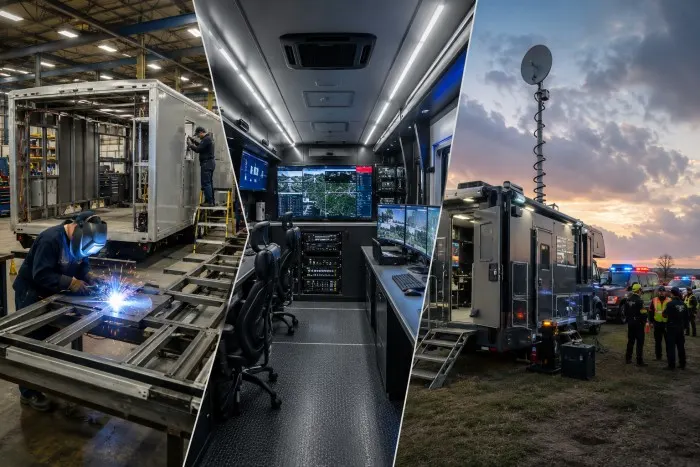
Why Layout Matters During High-Pressure Work
A command center layout should reduce friction. A person handling communications should not block someone reviewing maps. A supervisor should be able to speak with key staff without interrupting every workstation. Equipment should be placed where it can be reached quickly, but not where it creates clutter. Storage should keep supplies secure without making them difficult to access.
These details may sound small, but they shape the rhythm of field work. In a high-pressure environment, small inefficiencies become larger problems. A well-planned mobile command center keeps movement controlled, sightlines clear, and tasks organized. It creates a calm interior for situations that may be anything but calm outside.
Brand Section: Craftsmen Industries
Craftsmen Industries is associated with custom fabrication, specialized vehicles, branded trailers, mobile units, government and public safety builds, and field-ready environments designed around practical use. The brand’s relevance in this space comes from the need to combine engineering, fabrication, interior planning, technology accommodation, and professional exterior presentation in a single finished asset.
For organizations that rely on mobile operations, the final build must do more than look capable. It must support work. A command unit may need to serve as a planning office, communications base, deployment hub, or public safety support center. It may also need to represent the organization clearly in front of agencies, partners, community members, or event stakeholders. That balance between function and presence is where specialized fabrication becomes essential.
Designing for Long-Term Field Use
A command trailer should be planned for repeated deployment, not a single use case. Conditions may change from one mission to another. One week, the unit may support a planned public event. Another time, it may assist during an emergency response or infrastructure issue. This means the design should allow flexibility while protecting the core purpose of the asset.
Long-term field use requires attention to maintenance, service access, equipment upgrades, power needs, storage, and interior durability. Technology will change over time, but the trailer should remain adaptable enough to support those changes. A good command center design respects the fact that operations evolve. The build should not trap the organization inside yesterday’s workflow.
Professional Presentation Still Matters
Even in serious operational settings, presentation matters. A clean and well-built command unit signals preparation. It helps build confidence among team members, partner agencies, and the public. Exterior graphics, organized entry points, clear identity, and a professional finish can make the asset easier to recognize and trust during field activity.
The best mobile command centers do not separate appearance from performance. They use design to support authority, clarity, and practical use. When the exterior communicates readiness and the interior supports action, the trailer becomes a complete operational tool rather than a converted workspace with equipment added later.
Takeaway from this post
A mobile command center is a serious fabrication challenge because it must bring structure, mobility, communication, and human workflow into one dependable environment. It has to travel, deploy, support technology, protect equipment, and help teams make decisions when timing matters. That level of performance requires more than a basic trailer conversion.
When built with durable materials, thoughtful layout, strong fabrication, and field-focused planning, a command center becomes a practical extension of the organization it serves. It gives teams a place to gather information, coordinate action, and maintain control in changing conditions. In public safety, government, military support, utilities, events, and emergency operations, that kind of mobility can turn preparation into real operational advantage.