
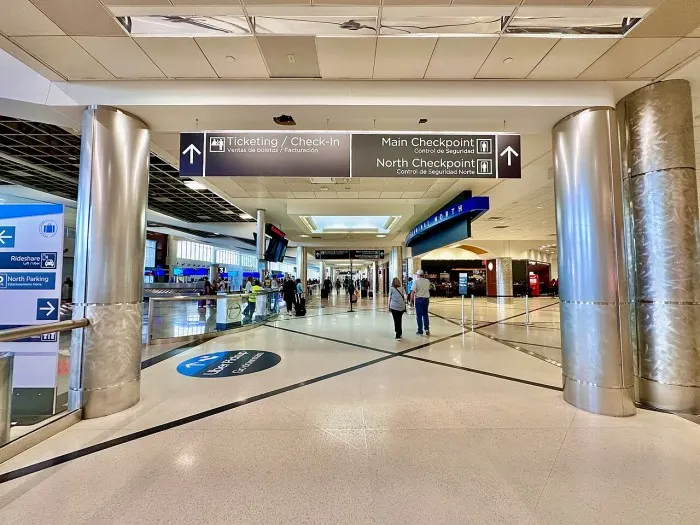
Air travel continues to be one of the most important drivers of global connectivity, tourism, and economic growth. Every day, millions of passengers rely on airports to reach business meetings, family gatherings, vacation destinations, and international markets. As travel demand continues to recover and expand, certain airports have emerged as indispensable hubs that handle an extraordinary volume of passengers.
According to the latest global rankings released by the Airports Council International (ACI), worldwide passenger traffic reached approximately 9.8 billion travelers in 2025, representing a 3.6% increase over the previous year. The world’s top 10 busiest airports alone accounted for nearly 9% of all global passenger traffic, demonstrating their enormous influence on the aviation industry.
The United States remains a dominant force in global aviation, with several airports consistently ranking among the busiest in the world. These airports are more than transit points—they are economic powerhouses that support tourism, trade, employment, and international connectivity.
1. Hartsfield–Jackson Atlanta International Airport (ATL)
Total passengers in 2025: 106,302,208
Compared to 2024: -1.6% decrease
Atlanta continues to hold the title of the world’s busiest airport, welcoming approximately 106.3 million passengers in 2025. Its success is largely driven by its location. Situated in the southeastern United States, Atlanta is within a two-hour flight of a significant portion of the U.S. population. This makes it an ideal connecting point for travelers moving between major cities.
The airport also serves as the primary hub for Delta Air Lines, one of the world’s largest carriers. Hundreds of daily flights operate through Atlanta, connecting passengers to destinations across North America, Europe, Latin America, Asia, and Africa. Beyond passenger traffic, Atlanta contributes billions of dollars annually to Georgia’s economy through tourism, business development, and employment opportunities.
Why ATL Is So Busy
- World’s largest airline hub operations
- Excellent domestic connectivity
- Major international gateway
- Efficient terminal layout
- Strong business and leisure travel demand
2. Dallas/Fort Worth International Airport (DFW)
Total passengers in 2025: 87,817,864
Compared to 2024: 17.0% increase
Dallas/Fort Worth International Airport has established itself as one of North America’s most important aviation centers. Located between Dallas and Fort Worth, the airport benefits from Texas’s rapidly growing economy and population. DFW serves as a major hub for American Airlines, offering extensive domestic and international connections.
Its central location makes it an ideal transfer point for travelers flying between the East Coast, West Coast, Mexico, South America, and Europe. The airport’s continual expansion projects have enabled it to accommodate increasing passenger demand while maintaining operational efficiency.
Key Advantages of DFW
- Massive route network
- Strong business travel market
- Central U.S. location
- Ongoing infrastructure investments
- Gateway to Latin America
Explore More- Top 10 Busiest Airports in the World for Long-Haul Flights – September 2025
3. Denver International Airport (DEN)
Total passengers in 2025: 82,358,744
Compared to 2024: 5.8% increase
Denver International Airport has experienced remarkable growth over the past decade. Known for its distinctive tent-like roof design, DEN is one of the largest airports in the world by land area. Its location near the geographic center of the United States makes it a natural connecting hub for coast-to-coast travel.
The airport also serves as a gateway to Colorado’s thriving tourism industry, attracting visitors heading to ski resorts, national parks, and outdoor recreation destinations. Denver continues to expand its terminals and runways to accommodate increasing passenger numbers and airline activity.
Why Travelers Use Denver
- Central U.S. location
- Popular tourism gateway
- Expanding international routes
- Significant airline hub operations
- Modern facilities and capacity
4. Chicago O’Hare International Airport (ORD)
Total passengers in 2025: 80,043,050
Compared to 2024: 8.3% increase
Chicago O’Hare remains one of the most influential airports in global aviation. Located near the center of the country, O’Hare acts as a crucial connection point for travelers moving between different regions of the United States.
In addition to ranking among the busiest airports for passenger traffic, O’Hare led the world in aircraft movements during 2025. This means more takeoffs and landings occurred at O’Hare than at any other airport globally. Major airlines use Chicago as a hub for both domestic and international operations, helping maintain its status as one of America’s busiest airports.
What Sets O’Hare Apart
- World’s highest aircraft movement count
- Extensive international service
- Strategic geographic location
- Strong cargo operations
- Major airline hub presence
5. Los Angeles International Airport (LAX)
Total passengers in 2025: 76,588,334
Compared to 2024: 2.7% increase
Los Angeles International Airport serves as the primary gateway to Southern California and one of the busiest international airports in the United States.
LAX plays a critical role in connecting North America with Asia-Pacific markets. Travelers from around the world pass through the airport to visit California’s entertainment industry, beaches, business districts, and cultural attractions. The airport has undergone significant modernization efforts in recent years, improving passenger experience and increasing operational capacity.
Major Traffic Drivers
- International tourism
- Asia-Pacific connections
- Hollywood and entertainment industry
- Corporate travel
- Global business links
Explore More- The Top 10 Busiest Airports in the United States in 2024
6. John F. Kennedy International Airport (JFK)
Total passengers in 2025: 67,878,444
Compared to 2024: 4.9% increase
JFK is often considered America’s premier international airport. Serving New York City, one of the world’s leading financial and cultural capitals, JFK connects travelers to destinations across every continent.
The airport handles a substantial volume of long-haul international traffic and remains a preferred gateway for airlines operating transatlantic and transpacific routes. Major redevelopment projects are currently transforming JFK into a more modern and passenger-friendly facility.
Why JFK Matters
- Major international gateway
- Access to New York City
- Extensive airline competition
- Strong business travel demand
- Global connectivity

7. Harry Reid International Airport (LAS)
Total passengers in 2025: 58,445,912
Compared to 2024: 3.4% increase
Las Vegas has become one of America’s top entertainment and convention destinations, and Harry Reid International Airport serves as the city’s main aviation hub.
Unlike many airports that rely heavily on business travel, Las Vegas benefits from a steady stream of leisure travelers attending concerts, sporting events, conventions, and casino resorts. Major events such as Formula 1 races, championship boxing matches, and international conventions continue to drive passenger growth.
8. Miami International Airport (MIA)
Total passengers in 2025: 56,112,677
Compared to 2024: 6.1% increase
Miami International Airport plays a unique role in global aviation. The airport acts as a bridge between North America, Latin America, and the Caribbean. Its extensive international route network makes it one of the most important airports for travelers moving between these regions. Miami is also a major cargo hub, supporting international trade and commerce throughout the Americas.
Strengths of Miami Airport
- Latin America gateway
- Strong tourism sector
- Major cargo operations
- International airline presence
- Growing passenger demand
Explore More- Top 5 Airport Lounges at Bergen Airport (BGO)
9. Orlando International Airport (MCO)
Total passengers in 2025: 57,004,818
Compared to 2024: 4.5% increase
Orlando International Airport thrives on tourism. Millions of visitors arrive annually to experience world-famous attractions such as Walt Disney World, Universal Orlando Resort, and SeaWorld Orlando.
Family vacations, international tourism, and convention travel continue to fuel Orlando’s growth, making it one of the busiest leisure travel airports in the country. The airport’s expansion projects are helping accommodate record-breaking visitor numbers.
10. Charlotte Douglas International Airport (CLT)
Total passengers in 2025: 53,984,756
Compared to 2024: 7.2% increase
Charlotte Douglas has quietly become one of America’s most important connecting airports. The airport’s efficient design and strategic location in the Southeast allow airlines to move passengers quickly between destinations.
Charlotte serves as a major hub for domestic travel while also supporting growing international service. Despite serving a smaller metropolitan area than some airports on this list, its hub operations generate exceptionally high passenger volumes.
Global Aviation Trends Shaping Airport Growth
The latest ACI report highlights several trends influencing airport traffic worldwide:
- Continued Passenger Growth: Global travel demand continues to rise as more people return to flying for business and leisure purposes.
- Strong Domestic Markets: The United States benefits from one of the world’s largest domestic aviation markets, helping sustain high passenger volumes across multiple airports.
- Recovery of International Travel: International travel has largely recovered, with airports seeing increasing demand for long-haul routes and overseas destinations.
- Infrastructure Challenges: Many airports face pressure to expand facilities, modernize terminals, and improve operational efficiency as passenger numbers grow.
- Sustainability Initiatives: Airports are increasingly investing in greener technologies, energy-efficient buildings, and carbon-reduction strategies to support long-term growth.
The Economic Impact of Major Airports
Large airports do far more than move passengers. They generate substantial economic benefits through:
- Job creation
- Tourism spending
- Business investment
- International trade
- Airline operations
- Infrastructure development
Many of the airports on this list support hundreds of thousands of jobs and contribute billions of dollars annually to their regional economies.
Final Thoughts
America’s busiest airports are essential pillars of the global transportation system. From Atlanta’s industry-leading passenger numbers to Chicago O’Hare’s unmatched aircraft movements, these airports help connect people, businesses, and economies across the world.
As global passenger traffic approaches new records, these aviation hubs will continue to play a critical role in supporting tourism, commerce, and international connectivity. With ongoing investments in infrastructure and technology, they are well-positioned to handle the next generation of air travel while maintaining their status among the busiest airports on the planet.