



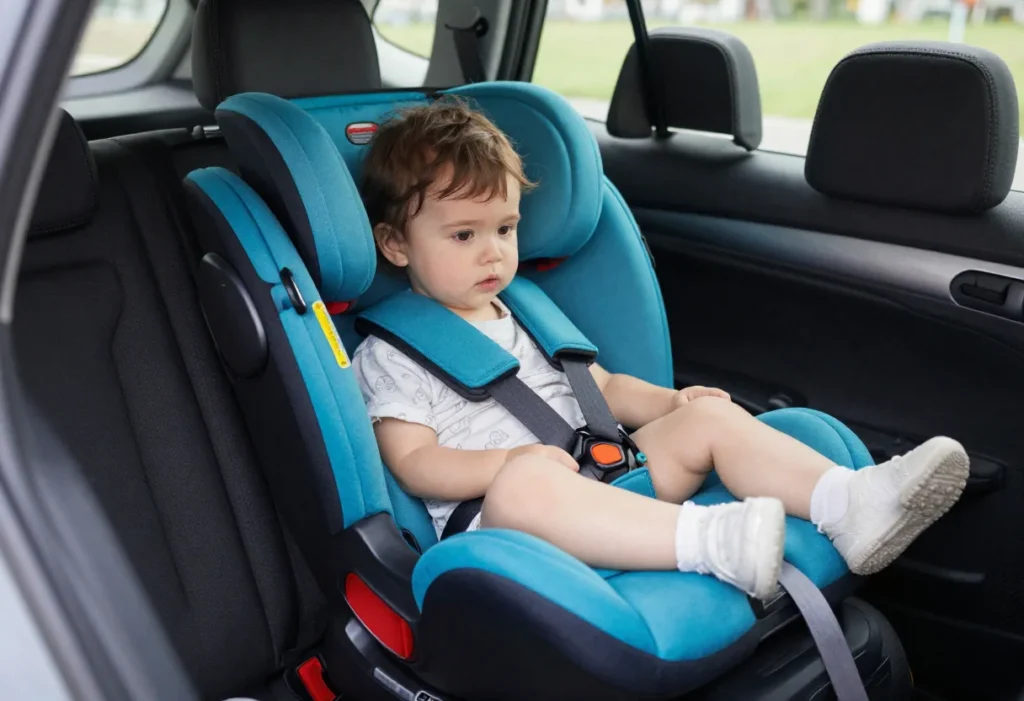
Greenland enforces strict child seat rules aligned with Danish standards to ensure young passengers’ safety on its limited road networks. These regulations mandate appropriate restraints for children based on age, height, and weight, with non-compliance leading to fines. Understanding these rules is essential for locals and tourists driving in areas like Nuuk or Ilulissat.
Legal Requirements
Children under 12 years or shorter than 135 cm must use approved child safety seats or booster seats. Seat belts are mandatory for all occupants, including drivers and passengers. Failure to comply results in fines, emphasizing driver responsibility for proper restraint.
Greenland’s sparse road system—mostly in towns like Nuuk—still requires adherence, as vehicles are common for short trips. Regulations mirror Denmark’s ECE-approved standards (R44/04 or R129 i-Size), ensuring seats fit the child’s size. Children over 135 cm or 12 years use adult seat belts if available.
Explore More- Car Child Seat Rules in Iceland: A Comprehensive Guide for Families
Age and Size Breakdown
Infants and toddlers under 15 months or 13 kg require rear-facing seats, ideally placed in the back. Forward-facing seats suit children from 15 months up to around 4 years or 18 kg, transitioning to boosters for older kids. Boosters are needed until 135 cm, positioning the seat belt correctly across the shoulder and lap.
Heights like 135 cm (about 4’5″) trigger transitions, prioritizing the stricter limit.
Seat Types and Standards
Approved seats carry an E-mark (ECE R44/04 or newer R129), confirming crash-testing compliance. Rear-facing offers superior neck protection, recommended beyond minimums until manufacturer limits. ISOFIX systems secure seats rigidly, reducing installation errors.
Boosters come in backless or high-back varieties; high-back provides head support for smaller children. Parents select based on vehicle fit, as Greenland rentals may vary. Avoid used seats with crash history or expired labels (typically 10 years).
Explore More- Car Child Seat Rules in Singapore: A Comprehensive Guide for Parents
Installation and Front Seat Rules
Install per manufacturer instructions, using LATCH/ISOFIX or belts tightly without slack. Rear seats are safest; front placement requires airbag deactivation for rear-facing seats. Children under 150 cm should avoid front if possible due to airbag risks.
In taxis or rentals, confirm seat availability; drivers must provide if requested, but tourists often bring their own. Check for three-child backseat rules in emergencies, allowing one belt if space-limited.
Penalties and Enforcement
Violations incur fines starting at basic levels, escalating in court, plus potential license points. Police patrol urban roads; tourists face spot checks at rentals. Education campaigns promote compliance, as child injuries, though rare due to low traffic, are preventable.
Travel Tips for Visitors
Rentals from Air Greenland or local firms require child seats; book ahead for Nuuk airport pickups. Fly with seats meeting airline specs (max 65x65x45 cm). For multi-child families, verify vehicle space; alternatives like taxis accommodate boosters.
Best practices exceed laws: keep rear-facing to age 2+, boosters to 145 cm. Inspect seats yearly; replace after accidents. Safe driving on icy roads amplifies restraint importance in Greenland’s harsh climate.