
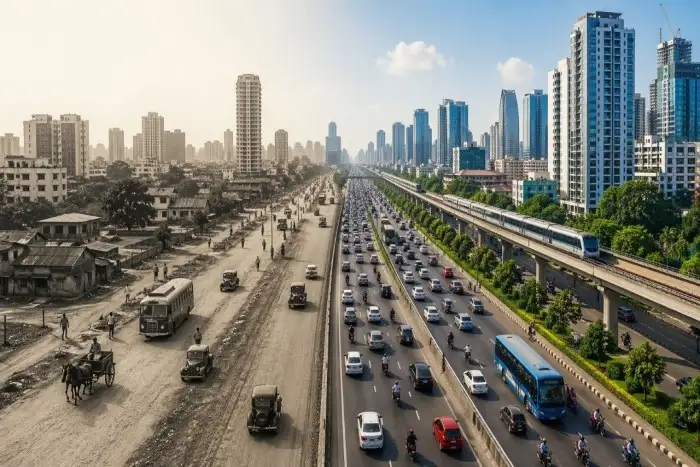
Australia’s major cities are growing quickly, and the effects are being felt well beyond the property market. As more people move into metropolitan areas, outer suburbs expand, apartment living becomes more common, and daily travel patterns change, road transport systems are being asked to do more than ever before.
Urban growth is not simply about more people living in a city. It changes how goods move, how services are delivered, how households relocate, how trades access buildings, and how local roads are used throughout the day. In cities such as Melbourne, Sydney, Brisbane, Perth and Adelaide, transport planning is no longer just about peak-hour commuters. It now includes delivery vans, service vehicles, construction traffic, rideshare cars, freight operators, removal trucks, cyclists, pedestrians and public transport all competing for limited space.
This shift is creating new challenges for road transport, but it is also encouraging smarter planning, better use of technology and a more detailed understanding of how cities actually function.
Population Growth and the Pressure on Local Roads
When a city grows, the most visible pressure is often on main roads and freeways. Congestion increases, travel times become less predictable and peak periods stretch beyond the traditional morning and evening rush. However, much of the impact is also felt on local streets.
New housing estates, townhouse developments and high-density apartment buildings bring more regular vehicle movements into neighbourhoods that may not have been designed for such volumes. Streets once used mainly by residents now need to accommodate delivery vans, waste collection, tradespeople, couriers, home services and small transport operators.
This is particularly noticeable in fast-growing outer suburbs, where new communities often rely heavily on road transport before public transport infrastructure fully catches up. Residents may need cars for commuting, shopping, school drop-offs and essential services. At the same time, businesses delivering goods and services into these areas depend on reliable road access.
The result is a more complex road environment. Transport planning must consider not only how people travel to work, but how an entire suburb receives furniture, appliances, groceries, building materials and household services.
Ref: https://www.infrastructureaustralia.gov.au/publications/2021-australian-infrastructure-plan
The Rise of Apartment Living
Urban growth has also changed the way Australians live. In many cities, detached houses are no longer the only dominant form of housing. More people are living in apartments, townhouses and mixed-use developments close to activity centres, train stations and inner-city suburbs.
This has important consequences for road transport. Apartment buildings create concentrated demand for vehicle access in small spaces. Loading bays, basement car parks, narrow laneways and timed access windows all influence how transport operators work.
A simple household relocation, for example, can become a logistical exercise involving lift bookings, building manager approvals, parking permits and careful timing to avoid blocking traffic or inconveniencing residents. In this context, local road transport is about much more than moving from one address to another. It involves coordination between residents, building managers, councils and service providers.
This is where specialist local operators become part of the broader urban transport picture. A Melbourne-based removalist such as North Removals may only be one part of the transport ecosystem, but businesses like this regularly deal with the practical realities of dense streets, apartment access, parking limits and time-sensitive moves.
More Deliveries, More Vehicles, More Complexity
E-commerce has reshaped city transport in a major way. Online shopping, food delivery and rapid courier services have increased the number of small commercial vehicles moving through residential areas. Instead of goods being delivered in bulk to shops, more items are now delivered directly to individual homes and apartments.
This creates convenience for consumers, but it also increases pressure on road space. Delivery drivers may stop briefly in loading zones, side streets or building entrances. In dense areas, multiple operators can arrive at the same building within a short period of time.
Urban growth amplifies this issue. More residents mean more deliveries, more service calls and more demand for short-term parking. The challenge for cities is to manage these movements without slowing down essential traffic or making streets less safe for pedestrians and cyclists.
Some councils are responding with clearer loading zones, time restrictions and better kerbside management. Others are considering how new developments can include more practical delivery and service areas. These small details can have a significant impact on the efficiency of urban transport.
Construction and Infrastructure Demand
Growing cities need new homes, roads, schools, hospitals, rail lines and utilities. This creates another major road transport challenge: construction traffic.
Building projects require a steady movement of materials, machinery, waste removal vehicles and trades. In established suburbs, construction activity often occurs on streets that are already busy and space-constrained. Trucks may need to navigate narrow roads, limited turning areas and strict delivery schedules.
Large infrastructure projects can also reshape travel patterns for years. Roadworks, rail upgrades and new developments often involve temporary lane closures, detours and changed access routes. While these projects may improve transport outcomes in the long term, they can place short-term pressure on local roads and businesses.
Good planning is essential. Construction-related transport needs to be coordinated with public transport, emergency access, school zones, residential amenity and commercial activity. In a growing city, these competing needs cannot be treated separately.
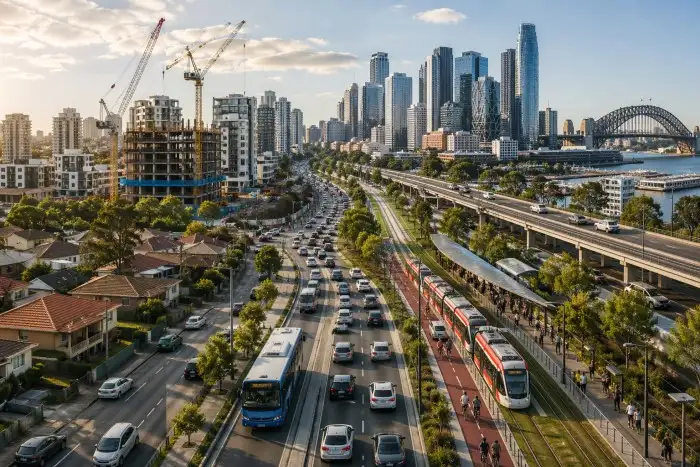
Changing Commuter Patterns
The way people commute has also changed. Remote and hybrid work have altered traditional traffic patterns in many Australian cities. While central business district commuting remains important, more people now travel at different times of day or make shorter local trips rather than daily journeys into the city.
This does not necessarily mean roads are less busy. Instead, the demand has become more spread out and less predictable. Midday traffic, local shopping trips, school traffic, delivery movements and service appointments can all contribute to congestion outside traditional peak periods.
For road transport operators, this unpredictability affects scheduling. A route that was reliable a few years ago may now vary significantly depending on the day of the week, weather, roadworks or local events. Businesses that depend on road access must build more flexibility into their operations.
This trend also highlights the importance of real-time traffic information, route planning software and local knowledge. Technology can help, but experience with specific suburbs, roads and building access points still matters.
The Kerbside Is Becoming More Valuable
One of the most important but often overlooked parts of urban transport is the kerbside. This is where vehicles stop, passengers get in and out, deliveries are made, trades unload equipment, waste is collected and households move furniture.
As cities grow, the kerbside becomes more contested. It may need to serve buses, bike lanes, accessible parking, outdoor dining, loading zones, rideshare pick-ups, private vehicles and emergency access. Not every street can accommodate every use at once.
This has led to a growing focus on kerbside management. Cities are beginning to treat the kerb not as leftover road space, but as valuable infrastructure that must be planned carefully.
For transport operators, clear kerbside rules can improve efficiency. When loading zones are available and well enforced, deliveries and services can happen more safely. When rules are unclear or loading areas are insufficient, vehicles may circle blocks, double-park or cause delays.
Better kerbside planning benefits more than commercial operators. It can reduce congestion, improve pedestrian safety and make residential streets more liveable.
Sustainability and Urban Transport
Urban growth also raises questions about sustainability. More people and more vehicle movements can increase emissions, fuel use and noise if transport systems are not managed well.
Australian cities are gradually exploring cleaner and more efficient transport options. Electric delivery vehicles, improved public transport, cycling infrastructure and better land-use planning all play a role. However, sustainability is not only about changing vehicle types. It is also about reducing unnecessary trips, improving route efficiency and designing neighbourhoods where services can operate without excessive delays.
For road-based services, small improvements can make a difference. Better scheduling, fewer failed delivery attempts, efficient loading areas and careful route planning can reduce fuel use and time spent idling in traffic.
Urban planning also matters. When new developments are designed with practical access for deliveries, removals, waste collection and emergency services, they can reduce future transport problems. Poor access design may not be obvious at first, but it can create daily inefficiencies for years.
The Need for Integrated Planning
The central lesson from urban growth is that road transport cannot be planned in isolation. Housing, commercial development, public transport, freight, parking, cycling, walking and local services are all connected.
A new apartment building is not just a housing project. It creates demand for deliveries, visitor parking, waste collection, moving services and rideshare access. A new suburb is not just a residential development. It requires roads, public transport, schools, shops and service networks. A new shopping precinct changes traffic flows, loading needs and pedestrian movement.
Integrated planning means recognising these connections early. It requires councils, developers, transport authorities and businesses to think beyond the basic movement of cars. The goal should be to create streets that support many different types of movement while remaining safe, efficient and liveable.
Looking Ahead
Australian cities will continue to grow, and road transport will remain essential to their daily operation. Even with better public transport and more active travel options, cities will still rely on roads for deliveries, services, construction, emergency response and household movement.
The challenge is not simply to build more roads. It is to use existing road space more intelligently, plan new developments with transport in mind and recognise the many small vehicle movements that keep urban life functioning.
Urban growth is changing road transport by making it more local, more complex and more closely tied to the way people live. The cities that manage this change well will be those that understand transport as a practical, everyday system — one that includes not only freeways and trains, but also loading zones, side streets, apartment access, service vehicles and the thousands of routine journeys that keep a city moving.
Ref: https://soe.dcceew.gov.au/urban/pressures/population