



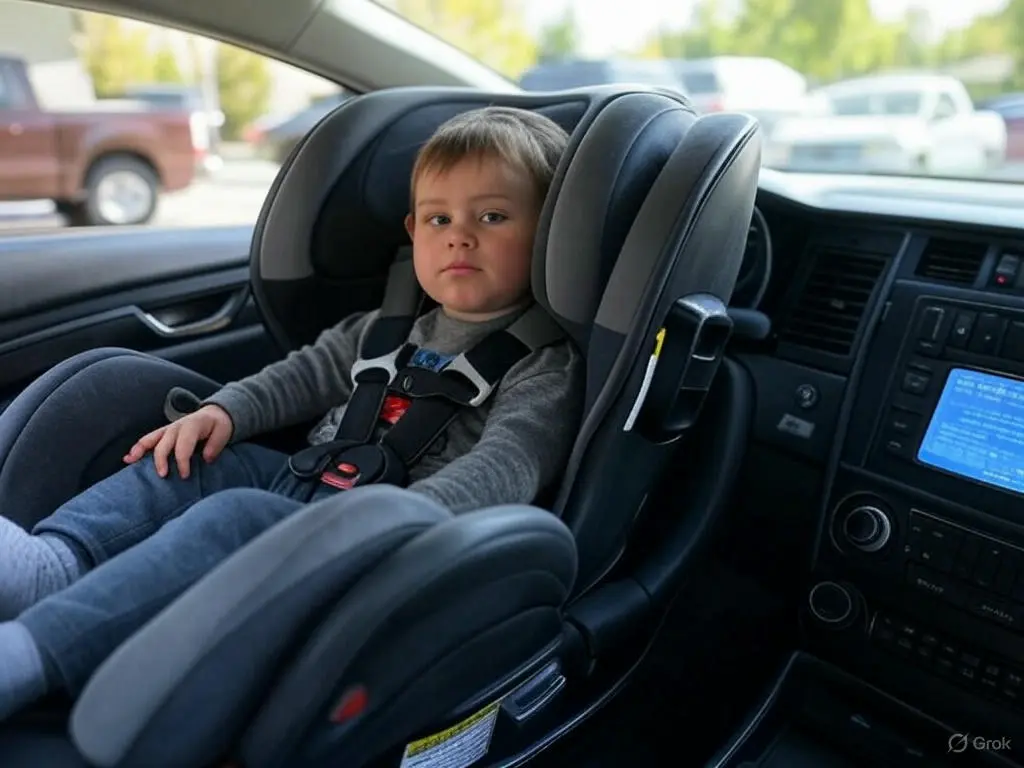
New Hampshire takes child passenger safety seriously, and its car seat laws are designed to protect the most vulnerable passengers on the road. If you’re a parent, grandparent, or caregiver in the Granite State, understanding these rules isn’t just smart—it’s the law. The most significant recent update took effect on January 1, 2024, strengthening requirements for young children. These rules remain current as of 2026 with no further statewide changes.
Here’s a clear, up-to-date breakdown of New Hampshire’s child car seat and restraint laws under RSA 265:107-a.
Core Legal Requirements
- All children under 18 must be properly restrained at all times (either in a child restraint system or a seat belt).
- Children under 7 years old (or under 57 inches tall, whichever comes first) must use an approved child restraint system that meets federal safety standards (U.S. Department of Transportation, 49 C.F.R. section 571.213).
- Children under 2 years oldmust ride in a rear-facing child restraint system.
- The restraint must be installed and used exactly according to the manufacturer’s instructions, including height/weight limits, proper attachment (LATCH or seat belt), harness fit, and expiration date.
- Once a child reaches 57 inches tall, they are no longer required to use a child restraint (even if under age 7).
- There is no legal requirement for children to ride in the back seat.
Important note: The law sets the legal minimum. Safety experts strongly recommend following best practices that often go beyond these requirements.
Stages of Child Restraint (What the Law and Experts Recommend)
New Hampshire law focuses on age and height, but proper protection follows these four stages:
- Rear-Facing Car Seat (Birth to at least age 2): Required by law for all children under 2. Keep your child rear-facing as long as possible—until they reach the maximum height or weight limit of the seat (many convertible seats allow this up to age 3 or 4). This position offers the best protection for a child’s head, neck, and spine.
- Forward-Facing Car Seat with Harness (Age 2 until limits reached): Use after outgrowing rear-facing. Continue until the child hits the harness weight or height limit (often around 65 lbs). Always use the top tether for extra stability.
- Booster Seat (After outgrowing harness, typically until 4’9″ tall): The law allows a seat belt once a child is 7 or 57 inches, but most kids aren’t ready until they reach about 4 feet 9 inches (usually ages 8–12). A booster raises the child so the vehicle’s lap-and-shoulder belt fits correctly across the hips and chest.
- Vehicle Seat Belt Only (When the child passes the 5-Step Test):
- Back against the vehicle seat
- Knees bend naturally at the edge of the seat
- Lap belt sits low across the hips (not stomach)
- Shoulder belt crosses the middle of the shoulder and chest (not neck or face)
- Child can stay in this position for the entire trip All children under 18 must still wear a seat belt.
Pro tip: All children under 13 are safest in the back seat (though not required by NH law).
Penalties for Violations
- First offense: $50 fine
- Second or subsequent offense: $100 fine The driver is responsible for ensuring every child passenger is properly restrained.
Exceptions
Very limited—exceptions may apply for taxis, buses, vehicles made before 1968, or certain medical/special-education situations. Always check the full statute or consult law enforcement if unsure.
How to Stay Compliant and Safe
- Check your car seat’s expiration date—most last 6–10 years.
- Get a free inspection: Visit certified Child Passenger Safety Technicians through the Be Seat Smart NH program. They offer fitting stations and inspections across the state.
- Replace after a crash: Even if it looks fine, replace any seat involved in a moderate or severe crash.
- Follow manufacturer instructions: Using the seat incorrectly (wrong angle, loose installation, expired) can make it illegal and ineffective.
Why These Rules Matter
Car crashes remain a leading cause of injury and death for children. Proper restraint use can reduce the risk of serious injury by up to 71% for young kids. The 2024 update (requiring rear-facing until age 2) brought New Hampshire in line with strong national safety recommendations from the American Academy of Pediatrics and NHTSA.
Final Advice for New Hampshire Families
Don’t wait for a ticket or worse—double-check your child’s restraint today. Laws set the floor, but keeping kids rear-facing longer, using boosters properly, and getting professional help at fitting stations can make all the difference.
For the latest official details, visit:
- BeSeatSmartNH.org (official child safety seat law page)
- Your local police department or the New Hampshire Department of Safety
Drive safe, New Hampshire—our kids are counting on us!