


From Ukraine to the Red Sea and Hormuz: How Lingering and New Geopolitical Flashpoints Keep Driving UK Food Inflation

As you push your trolley down the Tesco or Sainsbury’s aisle in spring 2026, that familiar creeping sense that everything costs a bit more is no illusion. UK food and non-alcoholic beverage prices rose 3.6% year-on-year in the 12 months to January 2026 — down from 4.5% the previous month, but still well above the long-term average. The Food and Drink Federation forecasts food inflation averaging 4.4% across 2026, easing only to 3.1% by December. Yet fresh geopolitical shocks risk reversing that slowdown.
Four years after Russia’s full-scale invasion of Ukraine, the Black Sea remains volatile. Houthi attacks have forced shipping to detour around Africa for over two years. Now, escalation in the Middle East — with disruptions to the Strait of Hormuz — has triggered a new energy and fertiliser shock just as UK farmers prepare for spring planting. These overlapping crises are quietly pushing up the cost of the weekly shop through higher grain prices, shipping delays and exploding input costs.
Here’s how the dots connect in 2026.
1. Lingering Ukraine War: Black Sea Tensions and a Toxic Soil Legacy
The Russia-Ukraine conflict never fully left global food markets. Ukraine, once Europe’s breadbasket, saw its grain exports hammered early in the war. Even with the Black Sea Grain Initiative long expired, ongoing tensions and Russian logistical issues continue to ripple through.
The latest FAO Food Price Index (February 2026) rose for the first time in five months to 125.3 points (+0.9%), driven partly by cereals. World wheat prices jumped 1.8% in February alone, blamed on frosts in Europe and the US plus “logistical disruptions in the Russian Federation and continuing tensions in the Black Sea region”. Coarse grains and rice edged higher too.
On the ground in Ukraine, the war has left a hidden legacy: over 800 square kilometres of farmland contaminated by heavy metals (cadmium, lead, zinc, etc.) from shells, tanks and drones. More than 1.1 million craters scar fields, and soil testing by UK and Ukrainian experts shows toxic hotspots that could reduce yields and quality for years. That matters for British shoppers — the UK imports significant wheat and flour; any drop in Ukrainian output or quality feeds straight into bread, pasta and cereal prices.
Four years on, the war is no longer front-page news, but its slow-burn effects on supply and soil keep upward pressure on staple grains.
2. Red Sea Disruptions: The Never-Ending Detour Adding to Your Bill
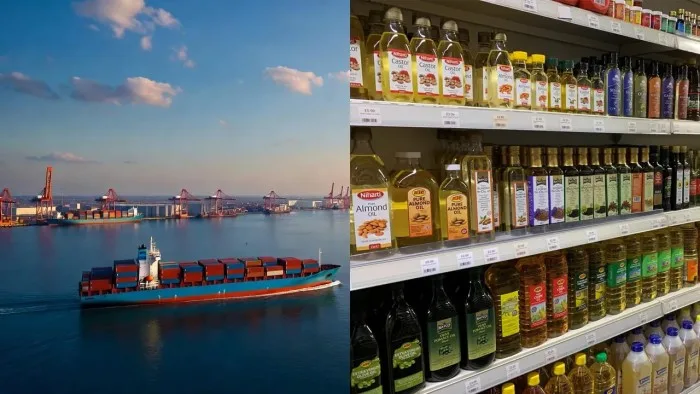
Houthi attacks in the Red Sea began in late 2023 and, despite occasional ceasefires, the route remains too risky for most major carriers into 2026. Ships still detour around the Cape of Good Hope — adding 3,500 nautical miles and 10–14 days per voyage.
Freight rates on Asia–Europe routes are stabilised at 25–35% above pre-crisis levels. Extra fuel (800–1,000 tonnes per voyage), war-risk insurance premiums (now $150,000–$500,000 per trip) and longer lead times add billions in global costs. Perishable food imports — fresh produce, ingredients and refrigerated goods — suffer most from delays and higher inventory buffers.
The UK, reliant on just-in-time global supply chains, feels this in everything from imported fruit and vegetables to processed foods. While not the headline driver in early 2026, the persistent extra 25–35% shipping premium keeps baseline costs elevated and compounds any new shocks.
3. The New 2026 Shock: Hormuz, Oil Spikes and Fertiliser Chaos
This is the fresh flashpoint. Escalation involving Iran (including de-facto restrictions on the Strait of Hormuz) has rattled energy markets. The strait carries one-fifth of global oil and LNG and roughly a third of seaborne fertiliser trade.
- Fertiliser prices have surged: Egyptian urea (a key benchmark) jumped more than 45% to $700 (£525) per tonne since late February. Gulf nations supply huge volumes of ammonia, phosphates and urea; even short disruptions threaten 1.33 million tonnes of monthly exports.
- Fuel volatility is hitting farms hard. Red diesel suppliers are refusing fixed prices, confirming costs only on delivery day. Anecdotal reports put prices at 110p per litre with wild swings.
- Energy costs across the board are up (Brent crude spiked toward $100–$119 before stabilising), feeding into diesel for tractors, transport, processing and refrigeration — which can account for up to 50% of some food production costs.
UK farmers are feeling it acutely right now. Spring planting season is here, but many are cutting back on nitrogen or switching to lower-input crops like peas and beans. One farmer told The Guardian: “The sums don’t add up” — the premium for quality milling wheat simply won’t cover the extra fertiliser. NFU President Tom Bradshaw warned Defra on 11 March 2026 that this “will depend on what happens over the coming weeks” and directly threatens food price inflation and UK food resilience.
Analysts already predict food inflation will accelerate toward the end of 2026. A sustained energy shock could add 0.4 percentage points to global inflation while shaving growth.
Why This Triple Threat Hits UK Shoppers Harder
The UK is only about 60% self-sufficient in food. We import wheat, fertiliser ingredients, energy and much of our fresh produce. When Ukraine tightens grain supply, Red Sea detours raise transport costs and Hormuz spikes energy and fertiliser, the effects multiply:
- Higher grain → dearer bread, pasta, animal feed (and thus meat/dairy).
- Higher fertiliser & fuel → lower UK yields or higher domestic production costs.
- Higher shipping → pricier imports across the board.
FAO’s February rebound in cereals, vegetable oils and meat shows the global market already reacting. UK-specific forecasts (FDF, OBR) assumed calmer conditions; the Iran escalation has changed that.
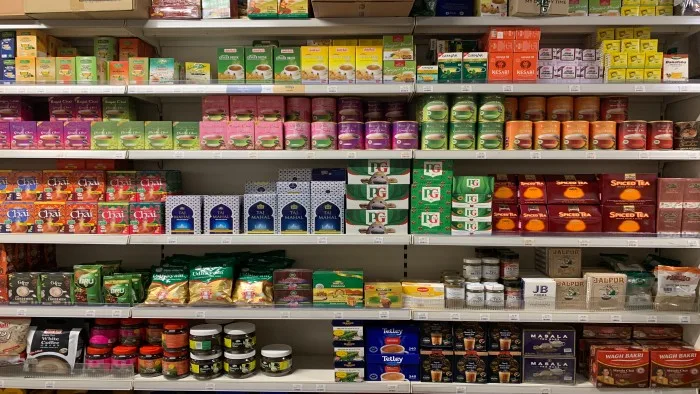
Transport Chronicle spoke to Mr Parvesh Hallan, CEO of Hallan Cash & Carry, a leading online asian food market with physical stores in the UK. According to Mr Hallan, “We have direct interaction with customers every day at our Crawley store. The concern among grocery shoppers is clearly visible. We have been paying higher logistics rates since last week. But we have not raised our retail prices yet.”
NFU and analysts are clear: without greater domestic resilience, these shocks will keep feeding through to supermarket prices.
What It Means for Your Weekly Shop — and What Comes Next
Expect continued pressure on staples through 2026. Bread, cereals, dairy and fresh produce are most exposed. The good news? Food inflation is still far below the 19% nightmare of 2023. The bad news? Geopolitics could push the 2026 average higher than the predicted 4.4%.
Longer term, experts and the NFU are calling for:
- Clear government targets for domestic food production
- Better stockpiling and supply-chain resilience
- Investment in UK fertiliser production and lower-input farming
In the meantime, small choices help: buy British where possible, support local farms, and keep an eye on seasonal offers.
The era of cheap, predictable food is over. From the Black Sea to the Red Sea and now Hormuz, distant conflicts are landing squarely on British kitchen tables. Staying informed is the first step to navigating the months ahead.
Have you noticed particular items rising sharply lately? Share in the comments — and let’s keep the conversation going.
Happy (and hopefully affordable) shopping!